
Visualising exact measurements can be surprisingly tricky when you lack a tape measure. Understanding 20 feet length helps bridge the gap between abstract numbers and physical reality, especially when planning a home project, renting a vehicle, or designing a landscape. Across daily life, this specific distance appears in unexpected places.
By exploring everyday objects that match this scale, you gain an intuitive sense of space. Let us examine nineteen practical instances to make this dimension second nature.
Understanding the Scale of Twenty Feet
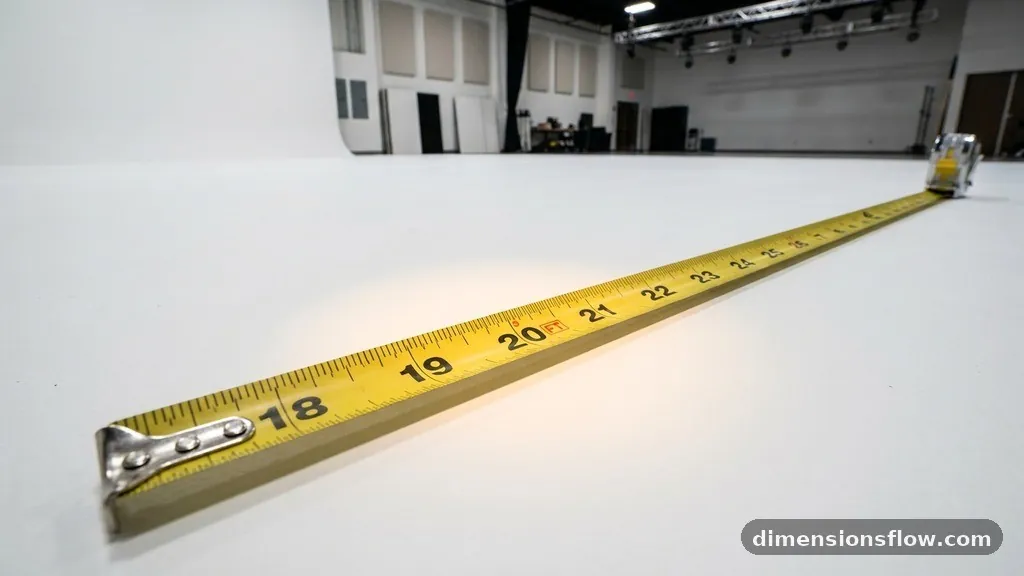
A distance of 20 feet equals approximately 6.1 metres or 240 inches. Engineers design many common structures and vehicles around this exact dimension because it balances spatial economy with practical utility. Recognising this scale saves time and prevents costly mistakes during layout planning.
Objects of this size often straddle the line between compact items and industrial equipment. Visualising them correctly requires breaking them down into familiar categories, from transport to architecture.
Vehicle and Transport Examples

Roadways and driveways frequently accommodate objects measuring 20 feet. Automotive designers often build large consumer vehicles and commercial assets right around this benchmark.
- Standard Cargo Van: Large delivery vans used by courier services typically stretch right to the twenty-foot mark.
- Extended Pickup Truck: Heavy-duty trucks equipped with long beds and crew cabs span this distance end to end.
- Small Delivery Box Truck: Light commercial freight carriers often feature a twenty-foot chassis length.
- Standard Parking Stall: American civil engineering standards usually size parallel parking spaces at twenty feet long.
- Pontoon Boat: Popular recreational watercraft often measure twenty feet, offering ample deck space for families.
- Large SUV with Tow Hitch: Full-size sports utility vehicles pulling a small trailer easily total twenty feet combined.
Architecture and Home Living
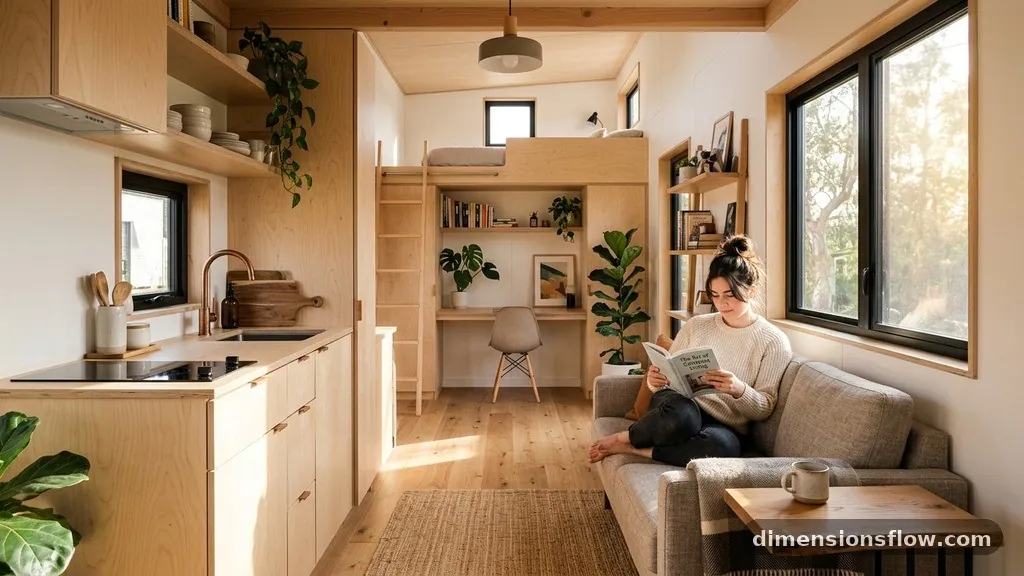
Residential and commercial structures rely heavily on twenty-foot increments for structural integrity and room design. Builders appreciate how easily this number divides into standard building materials.
Living spaces and structural components often utilise this exact footprint to maximise comfort and efficiency. Here is how that translates to built environments.
| Architectural Element | Typical Dimension | Practical Use |
|---|---|---|
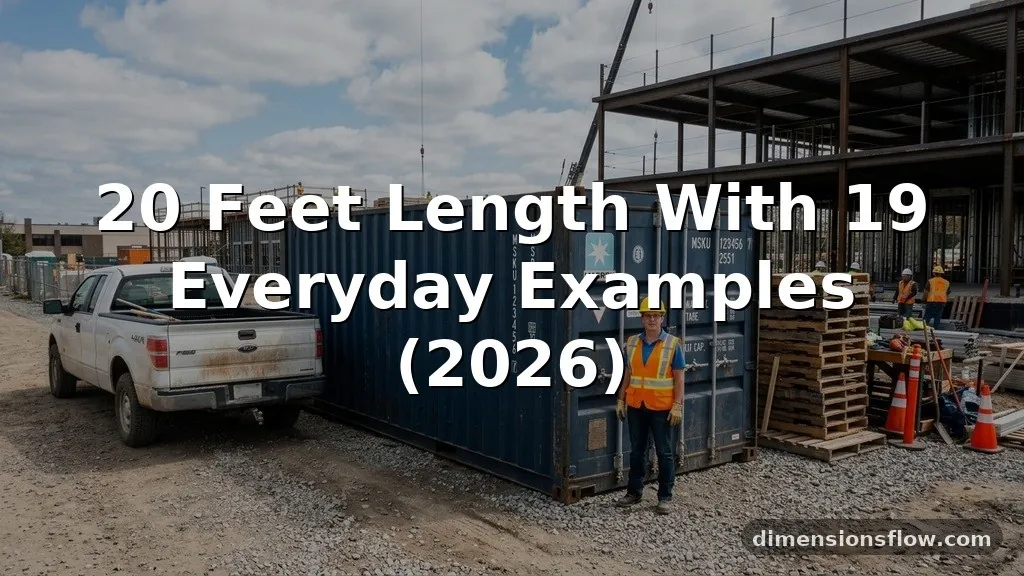
| Standard Shipping Container | 20 feet long | Storage, modular housing, and freight transport |
| Small Studio Apartment Width | 20 feet span | Open-plan living and kitchen zones |
| Two-Car Garage Depth | 20 feet deep | Accommodates standard sedans with walking clearance |
| In-Ground Lap Pool Width | 20 feet across | Narrow residential swimming pools |
Outdoor and Recreational Objects

Nature and recreation offer some of the most striking visual representations of this measurement. Standing next to these items gives you an immediate physical anchor for the number.
- Mature Oak Tree Height: A healthy suburban oak tree often reaches twenty feet within its first decade of growth.
- Utility Pole Span: Wooden power poles installed in residential neighborhoods usually stand twenty feet above ground level.
- Medium Sailboat Hull: Trailerable sailboats designed for coastal cruising commonly measure twenty feet from bow to stern.
- Inflatable Movie Screen: Backyard outdoor cinema screens often span twenty feet wide for large group viewing parties.
- Standard RV Awning: Retractable fabric awnings attached to recreational vehicles frequently extend twenty feet across the side.
- Roller Coaster Drop: Small family roller coasters feature initial drops of approximately twenty feet.
- Commercial Flagpole: Commercial properties often mount twenty-foot flagpoles near front entrances.
- Large Greenhouses: Hobbyist hoop houses and agricultural tunnels measure twenty feet in length for optimal crop yield.
- Climbing Wall Section: Indoor bouldering and climbing facilities feature introductory practice walls scaled to twenty feet.
Answering Advanced Spatial Questions
Working with measurements requires knowing more than just raw numbers. People often wonder how twenty feet compares to metric standards or how to measure it without tools. 20 feet equals precisely 7.33 yards or 6.1 metres.
If you lack a tape measure, you can pace it out by taking about eight average adult walking strides. This mental math proves invaluable when shopping for furniture or estimating material needs on site.
Conclusion
Grasping the true scale of 20 feet length with 19 everyday examples (2026) transforms how you interact with your physical surroundings. Whether you are parking a truck or designing a backyard patio, this benchmark provides a reliable mental anchor.
Keep these real-world comparisons in mind the next time you need to estimate a space quickly. I would love to hear which of these examples surprised you the most in the comments below.
Frequently Asked Questions
How many yards are in 20 feet?
There are 6.67 yards in 20 feet, since each yard equals three feet. Dividing the total footage by three gives you this exact conversion, which helps when purchasing fabric, carpeting, or landscaping materials sold by the yard.
Can a standard car fit in a 20-foot space?
Yes, most standard sedans and compact cars measure between 14 and 17 feet long, meaning they fit comfortably inside a 20-foot space with a few feet of clearance left over at either end.
How do you pace out 20 feet without a tape measure?
You can pace out 20 feet by taking roughly eight normal walking strides, assuming each stride is about 2.5 feet long. Walking slowly and stepping heel-to-toe helps ensure greater accuracy during your estimation.
What is the metric equivalent of 20 feet?
Twenty feet is equivalent to approximately 6.1 metres or 610 centimetres. This metric measurement is commonly used internationally for architectural blueprints, engineering specifications, and global shipping logistics.