
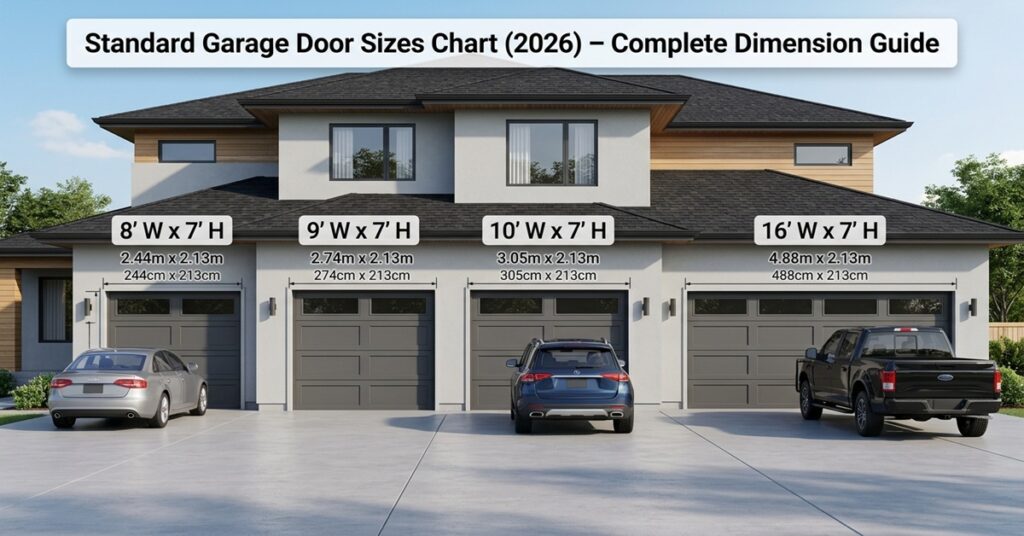

Choosing the right garage door might seem like a simple decision, but it plays a much bigger role in your home’s functionality than most people realize. The standard garage door sizes chart is not just a technical reference it’s a practical guide that helps homeowners avoid costly mistakes, ensure proper vehicle fit, and improve everyday convenience.
From compact single-car garages to wide double-car setups and even oversized doors for RVs, each dimension serves a specific purpose. A few extra inches in width or height can make a huge difference when parking larger vehicles, opening doors comfortably, or planning future upgrades.
In this guide, we’ll break down everything you need to know about standard garage door sizes, including real measurements, common configurations, vehicle compatibility, and expert tips for choosing the right fit. Whether you’re building a new garage or replacing an old door, this complete chart will help you make a confident, well-informed decision.
Standard Garage Door Sizes Chart
The table below shows the most common residential garage door dimensions used throughout North America.
Residential Garage Door Sizes Chart
| Garage Door Type | Width | Height | Best For |
|---|---|---|---|
| Single-Car | 8 ft | 7 ft | Compact cars, sedans |
| Single-Car Wide | 9 ft | 7 ft | SUVs, crossovers |
| Oversized Single | 10 ft | 7 ft | Trucks, large SUVs |
| Double-Car | 16 ft | 7 ft | Two vehicles |
| Double-Car Tall | 16 ft | 8 ft | Trucks with roof racks |
| RV Garage Door | 12–16 ft | 12–14 ft | Motorhomes and campers |
| Commercial Door | 10–20+ ft | 10–20+ ft | Warehouses and service bays |
Garage Door Sizes in Metric Measurements
| Feet | Meters | Centimeters |
|---|---|---|
| 8′ x 7′ | 2.44 x 2.13 m | 244 x 213 cm |
| 9′ x 7′ | 2.74 x 2.13 m | 274 x 213 cm |
| 10′ x 7′ | 3.05 x 2.13 m | 305 x 213 cm |
| 16′ x 7′ | 4.88 x 2.13 m | 488 x 213 cm |
| 16′ x 8′ | 4.88 x 2.44 m | 488 x 244 cm |
Industry experts generally recommend choosing the widest door your garage opening can accommodate, as extra clearance significantly improves parking convenience and reduces accidental damage.
Why Standard Garage Door Sizes Matter
Many homeowners wonder whether standard dimensions really make a difference. In reality, they can save thousands of dollars over the life of your garage.
Benefits of Standard Garage Door Dimensions
- Lower purchase costs
- Faster manufacturing times
- Easier installation
- Greater product availability
- Better compatibility with openers
- Lower repair and replacement costs
- Higher resale appeal
Custom garage doors often cost 30% to 50% more than standard models because they require specialized manufacturing and hardware.
If your garage opening matches a standard size, choosing a standard door is almost always the most economical option.
Most Common Standard Garage Door Sizes
While dozens of dimensions exist, a few sizes dominate residential construction.
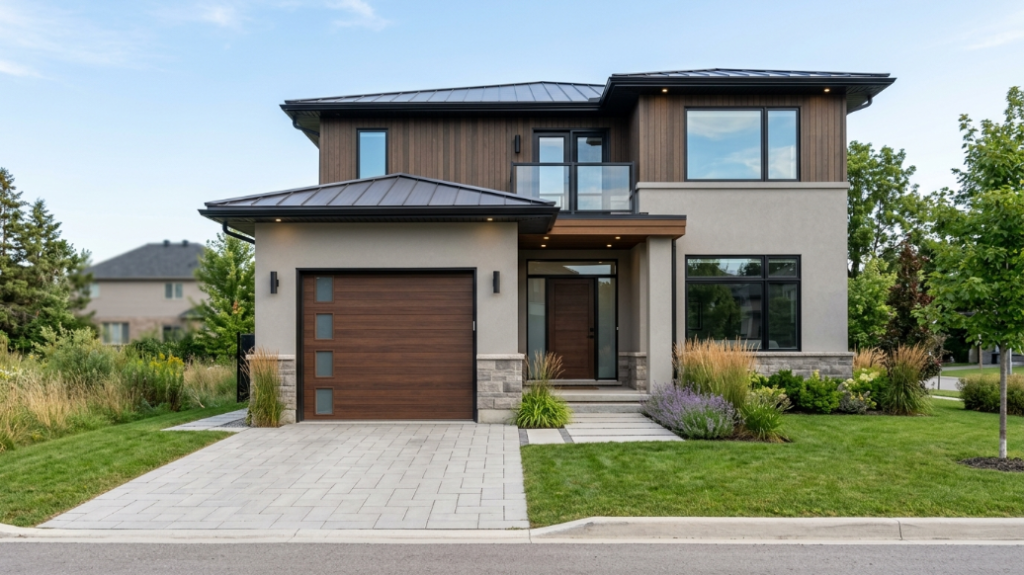
8×7 Garage Door
The 8-foot by 7-foot garage door has long been the traditional single-car garage standard.
This size works well for:
- Compact cars
- Sedans
- Small crossovers
Advantages include:
- Lower purchase cost
- Widely available
- Compatible with most opener systems
However, many modern homeowners find 8-foot widths restrictive when parking larger SUVs.
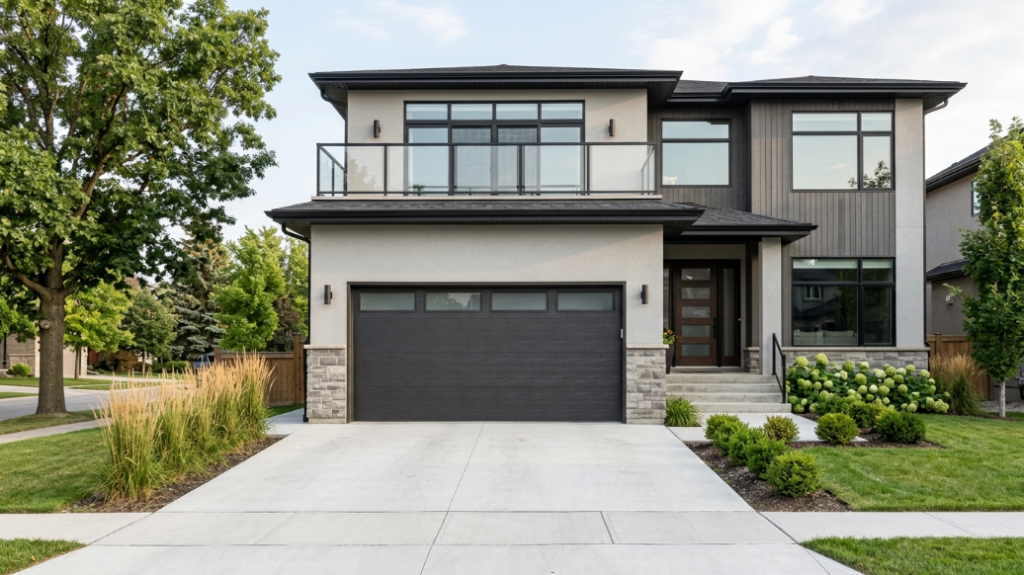
9×7 Garage Door
The 9×7 garage door has become one of the fastest-growing choices in new residential construction.
That extra foot of width creates noticeably easier parking conditions.
Benefits include:
- Better side clearance
- Easier entry and exit
- Reduced risk of scraping mirrors
- More comfortable parking for SUVs
Many builders now consider 9 feet the practical minimum width for new single-car garages.
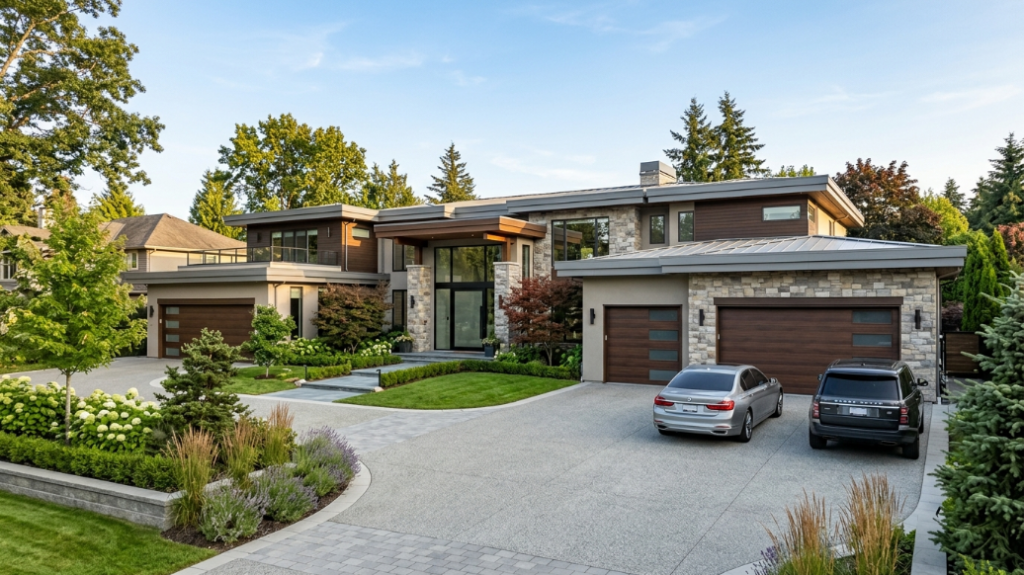
10×7 Garage Door
A 10-foot garage door provides exceptional maneuvering room.
This size is ideal for:
- Full-size pickup trucks
- Large SUVs
- Work vehicles
- Vehicles with extended mirrors
Although slightly more expensive, many homeowners appreciate the convenience of the additional width.
16×7 Garage Door
The 16-foot by 7-foot garage door is the most common double-car garage door size.
It provides sufficient width for two vehicles parked side by side while maximizing available wall space.
Popular applications include:
- Two-car garages
- Suburban homes
- Attached garages
- New construction projects
This size remains the industry benchmark for residential double garages.
16×8 Garage Door
As vehicles continue to grow taller, 16×8 garage doors are becoming increasingly popular.
The extra height accommodates:
- Lifted trucks
- SUVs with roof racks
- Cargo carriers
- Vans
For homeowners planning long-term vehicle upgrades, an 8-foot height often provides valuable future-proofing.
Single-Car Garage Door Sizes Explained
Single-car garages remain popular because they require less space and lower construction costs.
Standard Single-Car Garage Door Dimensions
Most single garage doors fall into three categories:
| Width | Height |
|---|---|
| 8 ft | 7 ft |
| 9 ft | 7 ft |
| 10 ft | 7 ft |
The most common height remains 7 feet.
However, some newer homes utilize 8-foot heights for greater versatility.
Which Single Garage Door Size Fits Your Vehicle?
Vehicle dimensions should strongly influence your garage door selection.
Compact Cars
Examples:
- Honda Civic
- Toyota Corolla
- Hyundai Elantra
Recommended door size:
- 8×7
- 9×7 preferred
Sedans
Examples:
- Toyota Camry
- Honda Accord
- Nissan Altima
Recommended size:
- 9×7
SUVs
Examples:
- Toyota Highlander
- Ford Explorer
- Chevrolet Tahoe
Recommended size:
- 9×7 minimum
- 10×7 preferred
Pickup Trucks
Examples:
- Ford F-150
- Ram 1500
- Chevrolet Silverado
Recommended size:
- 10×7 minimum
Recommended Vehicle Clearance
Experts suggest maintaining:
- At least 12 inches on each side
- 18–24 inches preferred for comfort
- Additional clearance for mirrors and accessories
Extra clearance reduces stress when parking and helps prevent accidental damage to vehicles and walls.
Two-Car Garage Door Sizes Explained
Double garages are now the standard for many modern homes.
Standard 2-Car Garage Door Size
The most common double garage door measures:
16 feet wide × 7 feet high
This size comfortably accommodates:
- Two sedans
- Two compact SUVs
- One vehicle plus storage
It offers a balance between affordability and practicality.
14-Foot vs 16-Foot vs 18-Foot Garage Doors
| Width | Best For | Pros |
|---|---|---|
| 14 ft | Smaller vehicles | Lower cost |
| 16 ft | Most households | Industry standard |
| 18 ft | Large vehicles | Maximum maneuverability |
For households with trucks or larger SUVs, upgrading to an 18-foot door can significantly improve parking convenience.
One Double Door vs Two Single Doors
Many homeowners face this decision during new construction.
Advantages of One Double Door
- Lower installation cost
- Cleaner appearance
- Easier maintenance
- Greater opening width
Advantages of Two Single Doors
- Improved energy efficiency
- Reduced operational wear
- Individual access control
- Traditional aesthetic
The best choice depends on personal preference, budget, and architectural style.
Garage Door Height Guide
Width often gets the most attention, but height can be equally important.
Standard 7-Foot Garage Doors
A 7-foot height remains the most common residential standard.
Suitable for:
- Sedans
- Compact SUVs
- Most crossovers
- Small pickup trucks
For many households, a 7-foot door provides adequate clearance.
8-Foot Garage Doors
An 8-foot height offers increased flexibility.
Benefits include:
- Easier access for larger vehicles
- More overhead clearance
- Better accommodation for accessories
- Improved future vehicle compatibility
Many homeowners upgrading their garage choose an 8-foot door to avoid future limitations.
FAQs
Is 16×7 a standard garage door size?
Yes, 16×7 is the most common standard size for a two-car garage door in residential homes across North America.
What is the best size for a garage door?
The best size depends on your vehicle, but 9×7 (single) and 16×7 (double) are the most practical and widely used options.
What is the most common size of a garage door?
The most common garage door size is 8×7 for single-car garages and 16×7 for two-car garages.
How wide is a 10 ft garage door?
A 10 ft garage door is 10 feet wide (about 3.05 meters) and typically 7 feet tall, ideal for trucks and large SUVs.
Is there a 12 foot wide garage door?
Yes, 12-foot-wide garage doors exist and are commonly used for RV garages, large vehicles, and custom residential setups.
Conclusion
Choosing the right standard garage door sizes chart is more than just picking a width and height it’s about ensuring long-term convenience, safety, and compatibility with your vehicles and home design. As we’ve seen throughout this guide, standard garage door dimensions like 8×7, 9×7, and 16×7 remain popular because they balance affordability, functionality, and easy installation.
Whether you’re selecting a single-car door for a compact sedan or a double-car option for SUVs and trucks, always consider real-world factors like vehicle size, future upgrades, ceiling height, and clearance space. Small details such as headroom and side room can make a big difference in installation success and day-to-day usability.
In the end, using a reliable standard garage door sizes chart helps you avoid costly mistakes, improve curb appeal, and choose a door that fits both your current and future needs. Taking the time to measure carefully and compare options ensures your garage remains practical, efficient, and ready for whatever you drive next.