
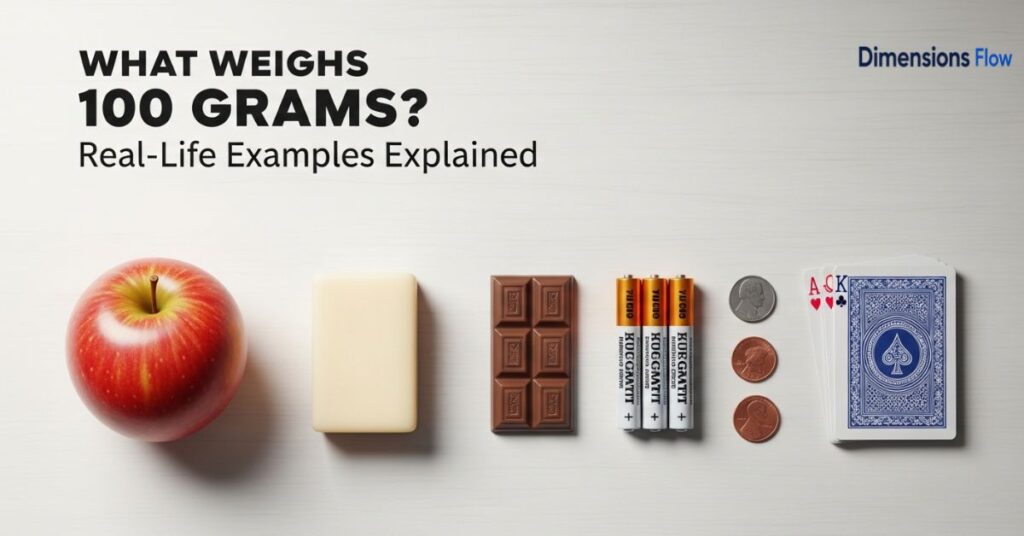

Understanding what weighs 100 grams may sound simple, but in daily life, it becomes surprisingly useful. Whether you are cooking, tracking nutrition, shipping items, or just trying to estimate weight without a scale, being able to visualize 100 grams in real-world objects gives you a practical advantage.
100 grams (100g) is a small, manageable weight, but it appears everywhere from food packaging to household items and even coins. In this guide, you’ll learn exactly what 100 grams feels like through real examples, measurements, and visual comparisons.
How Heavy Is 100 Grams? (Quick Understanding)
To understand what 100 grams means in weight, here are simple conversions:
- 100 grams = 0.1 kilograms
- 100 grams = 3.53 ounces
- 100 grams = 0.22 pounds
- 100 grams of water = 100 milliliters
A useful way to think about it:
📌 100 grams is roughly the weight of a small handful of everyday objects or a compact food portion.
According to measurement references, 100 grams is considered a light weight, easy to hold in one hand without strain. :contentReference[oaicite:0]{index=0}
Why It’s Hard to Visualize 100 Grams
Even though the number is small, most people struggle to feel what 100 grams actually is. That happens because:
- Our brain understands size better than weight
- Different materials (metal, fruit, plastic) feel different even at the same weight
- We rarely train our “weight memory”
For example:
- 100g of feathers feels very different from 100g of metal
- Yet both weigh exactly the same
This is why real-life comparisons are the best way to learn 100 grams.
100 Grams in Real Life: Everyday Food Examples
Food is the easiest way to understand what weighs 100 grams because it is naturally standardized.
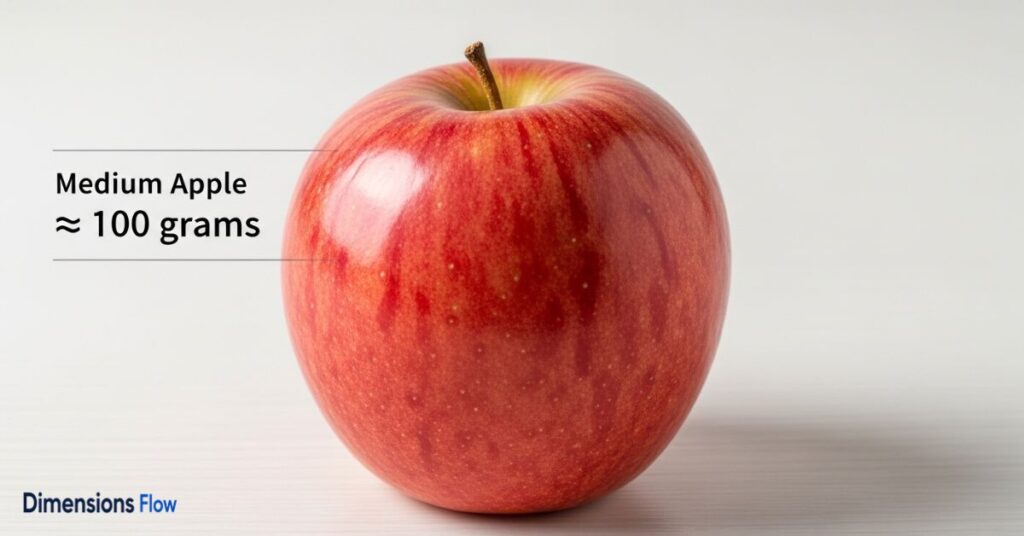
Medium Apple (Classic 100g Reference)
A medium apple typically weighs around 95–120 grams depending on variety. :contentReference[oaicite:1]{index=1}
- Fits comfortably in your palm
- Feels slightly solid but easy to hold
- Commonly used as a nutrition portion guide
👉 This is one of the best natural references for 100g.
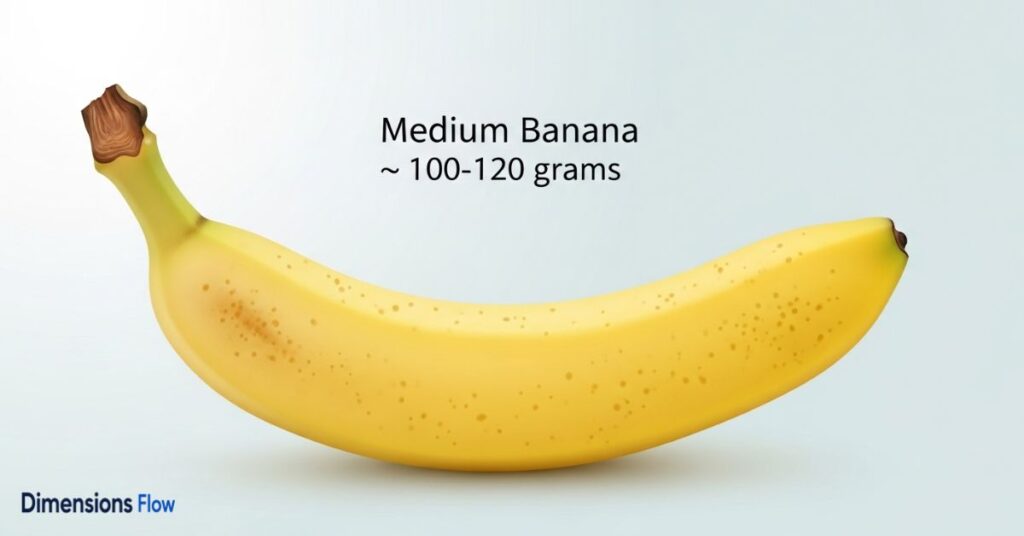
Medium Banana
- Around 100–120 grams
- Slight curve fits in one hand
- Common in fitness diets
Bananas are often used in meal planning because their weight is consistent and easy to estimate.
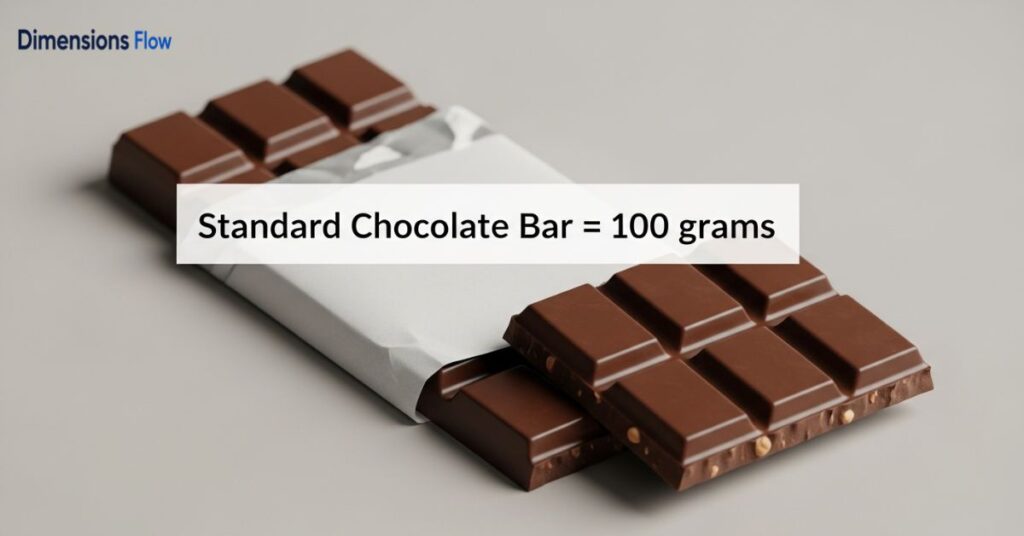
Standard 100g Chocolate Bar
Many chocolate brands sell exact 100g bars.
- Factory-measured portion
- Easy to recognize visually
- Used for nutrition labeling consistency
This makes it one of the most accurate real-world 100g objects.
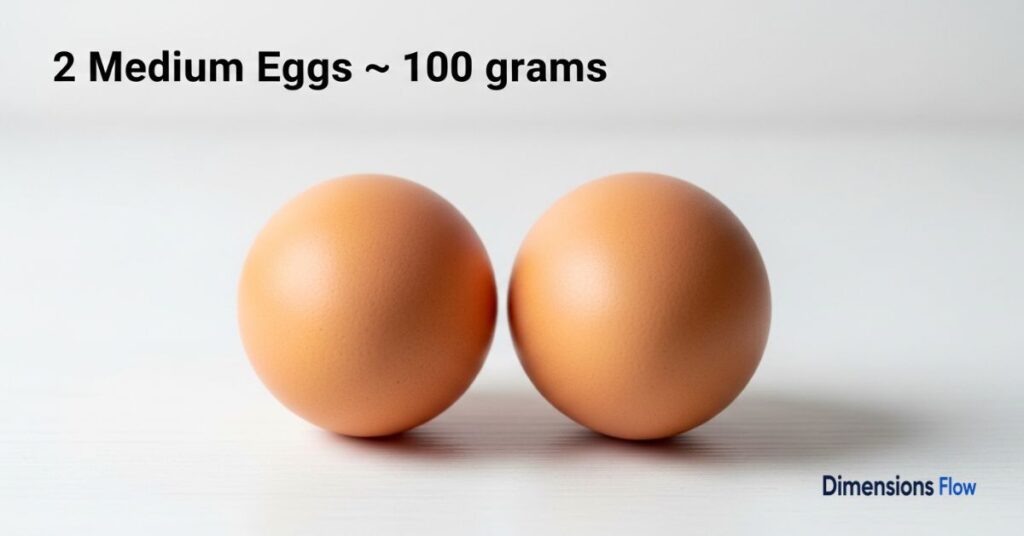
Two Medium Eggs
- 1 egg ≈ 50 grams
- 2 eggs ≈ 100 grams
Eggs are widely used in cooking measurements because of their consistent weight.
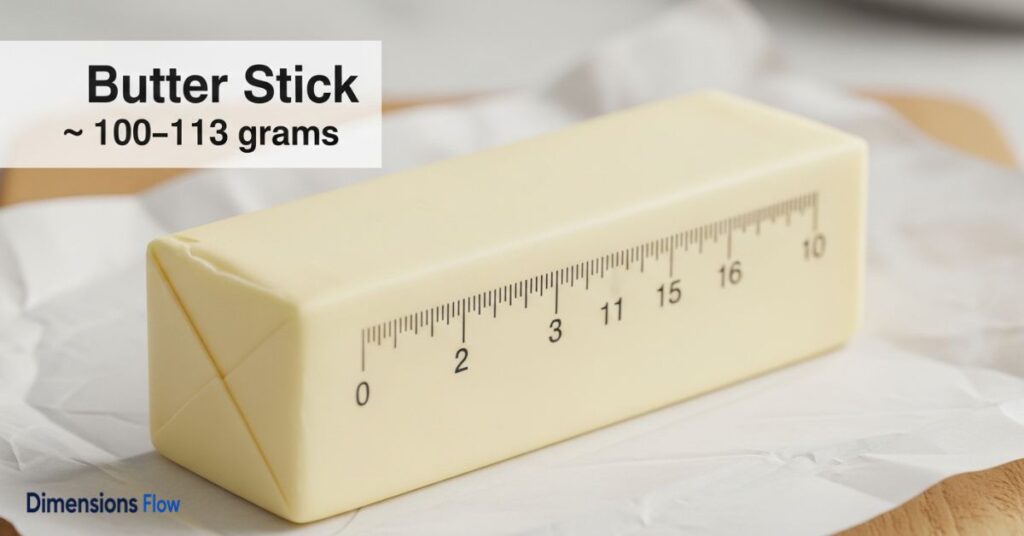
Butter Stick
- Standard US butter stick ≈ 113 grams
Slightly heavier than 100g, but still a close visual match.
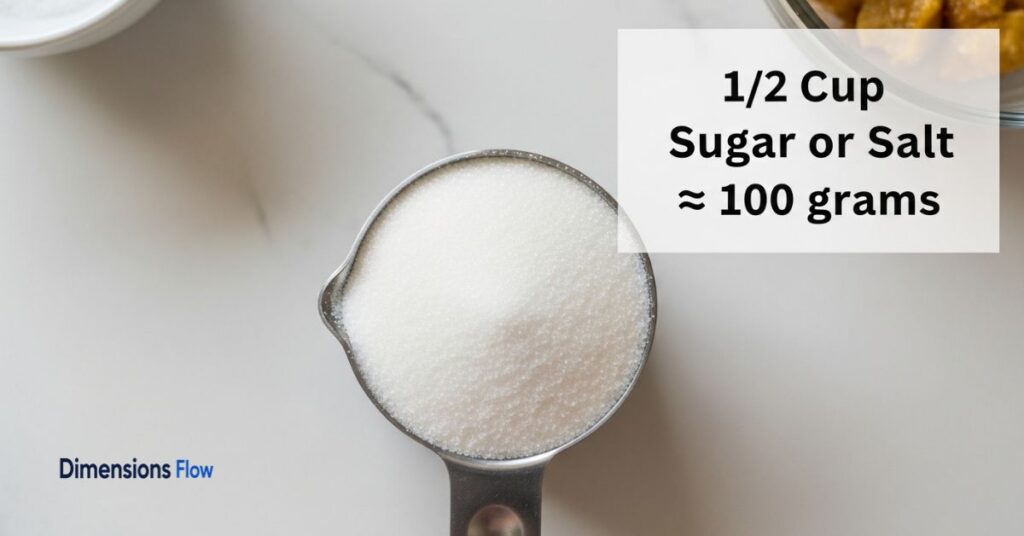
Half Cup Sugar or Salt
- ~100 grams in kitchen measurements
- Highly dependent on density and packing
Sugar is often used in baking as a 100g reference ingredient.
Household Items That Weigh Around 100 Grams
Standard Bar of Soap
- Typically 90–110 grams
- Compact rectangle shape
- Feels firm and balanced in hand
Soap is one of the most common everyday 100g references worldwide.
Four AA Batteries
- Each battery ≈ 25 grams
- Total ≈ 100 grams
This is one of the most practical ways to “feel” 100g at home.
Deck of Playing Cards
- Approximately 100 grams total
Used in:
- Nutrition guides (meat portion sizing)
- Visual weight estimation training
A deck fits perfectly in your palm, making it a powerful visual reference.
Computer Mouse or Small Smartphone
- Many lightweight mice ≈ 90–110g
- Some compact smartphones also fall in this range
Tech manufacturers often aim for this weight because it feels balanced and comfortable.
Currency & Coin Method: Measuring 100 Grams Without a Scale
Coins are one of the most accurate DIY methods to understand what weighs 100 grams.
US Nickels Method
- 1 nickel = 5 grams
- 20 nickels = 100 grams
US Pennies Method
- 1 penny = 2.5 grams
- 40 pennies = 100 grams
Because coins are manufactured under strict standards, they are often used for scale calibration and testing accuracy. :contentReference[oaicite:2]{index=2}
Measuring 100 Grams in the Kitchen
Understanding what weighs 100 grams in cooking is extremely practical.
Common Kitchen Conversions
- Water: 100 mL = 100g
- Flour: ~¾ cup (lightly filled)
- Sugar: ~½ cup
- Salt: ~½ cup
👉 Water is the only ingredient that gives a perfect 1:1 gram-to-milliliter ratio.
Visual Body-Based Estimation Techniques
Once you learn these tricks, you won’t always need a scale.
Palm Method (Protein Portion Guide)
- Meat portion ≈ palm size = ~100g cooked
Used widely in fitness and nutrition planning.
Card Comparison Method
- 100g meat ≈ size of a deck of cards
This method is commonly used by dietitians for portion control.
Hand Memory Training
- Hold a known 100g object repeatedly
- Compare unknown items
- Train your brain to recognize weight patterns
What 100 Grams of Meat Looks Like
- Small steak portion
- Fits in one hand
- Common gym meal serving size
Nutritionists often use this as a standard protein reference portion.
Real-Life Situations Where 100 Grams Matters
Understanding what weighs 100 grams is useful in many daily situations:
Cooking
- Recipe accuracy
- Baking consistency
- Ingredient control
Nutrition
- Calorie tracking
- Portion control
- Diet planning
Shipping
- Weight-based pricing
- Parcel classification
Science & Education
- Basic measurement training
- Calibration exercises
Common Mistakes When Estimating 100 Grams
Many people make errors such as:
- Confusing raw vs cooked weight
- Overpacking flour or sugar
- Ignoring material density differences
- Assuming all apples or bananas weigh the same
👉 Small differences can significantly change results in cooking and nutrition.
How to Train Your Brain to Recognize 100 Grams
You can actually improve your estimation skills:
Step 1: Learn one reference object
Pick one:
- Apple
- Soap bar
- Deck of cards
Step 2: Repeated exposure
Hold it regularly to build memory.
Step 3: Compare unknown objects
Guess weights and verify later.
Over time, your brain develops a natural weight sense.
FAQs
1. What common object weighs 100 grams?
A medium apple, bar of soap, chocolate bar, or four AA batteries.
2. How many pennies make 100 grams?
40 pennies equal approximately 100 grams.
3. Is 100 grams heavy?
No, it is considered a light weight easy to hold in one hand.
4. What does 100 grams of meat look like?
About the size of a deck of playing cards.
5. How can I measure 100 grams without a scale?
Use coins, water measurement (100 mL), or common food references.
🟢 Conclusion
Knowing what weighs 100 grams is more than just a curiosity it’s a practical life skill.
From cooking and nutrition to everyday estimation, 100g becomes a mental reference point you can rely on. Once you train your brain using real objects like apples, coins, or eggs, you’ll start recognizing this weight naturally without needing a scale.
In simple terms:
✔ 100 grams is light
✔ 100 grams is everywhere
✔ 100 grams is easy to learn through real objects
And once you understand it, everyday measurements become much simpler and more intuitive.