
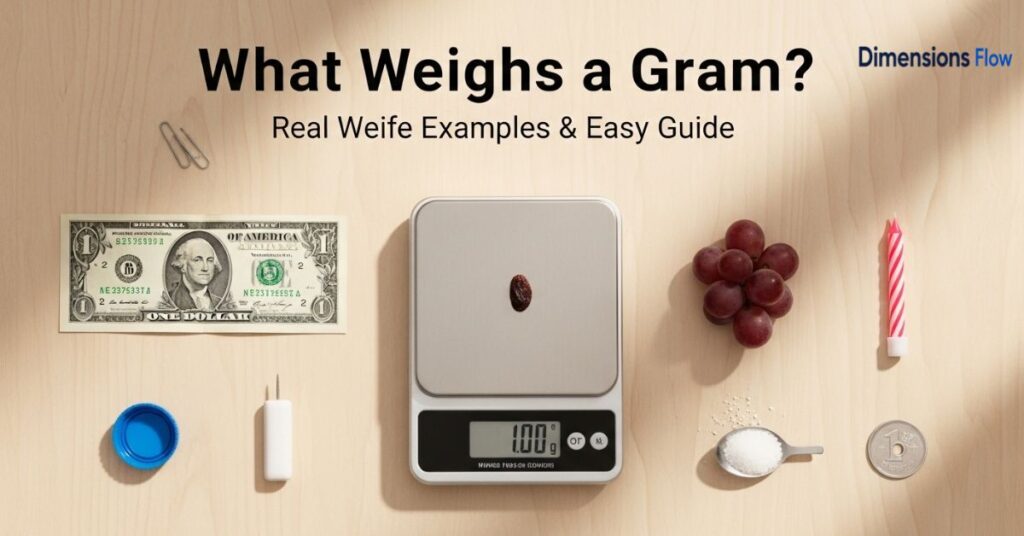

Have you ever held something so light that you could barely feel it but still knew it was there? That’s exactly what 1 gram feels like. From a paperclip on your desk to a dollar bill in your wallet, the concept of what weighs a gram surrounds your daily life more than you think.
In this guide, we go far beyond basic examples. You’ll learn the science of grams, real-world comparisons, estimation tricks, and surprising everyday objects that equal 1 gram all explained in a clear, human way.
Understanding What a Gram Really Is
A gram (g) is a metric unit of mass used worldwide in science, cooking, medicine, and engineering. It is part of the International System of Units (SI).
Basic conversions:
- 1 gram = 1,000 milligrams (mg)
- 1 gram = 0.001 kilograms (kg)
- 1 gram ≈ 0.035 ounces (oz)
- 1 gram ≈ 0.0022 pounds (lb)
In simple terms:
A gram is one of the smallest everyday weight units you can still physically sense.
How Light Is 1 Gram in Real Life?
To understand what weighs a gram, we first need a feeling for it.
Imagine:
- A feather-light object you can barely notice
- Something that disappears into your hand’s sensation
- A weight so small that precision tools are needed to measure it accurately
Most people only recognize 1 gram through comparison, not instinct.
That’s why grams are widely used in cooking, science, and medicine it provides precision where human senses fail.
Everyday Objects That Weigh 1 Gram
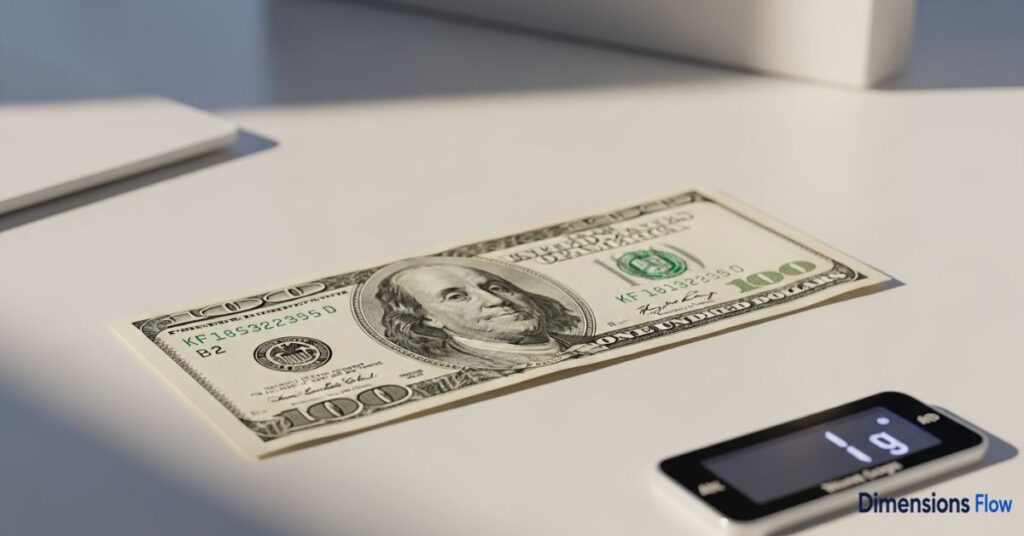
US Dollar Bill
A US dollar bill weighs approximately 1 gram, regardless of denomination.
- Made from cotton-linen blend
- Standardized for consistent handling
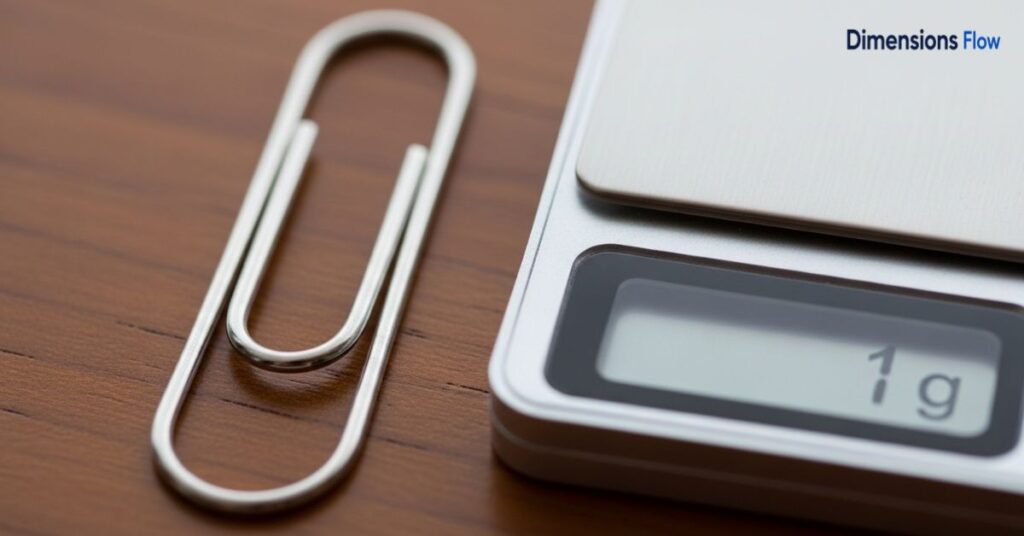
Standard Paperclip
A small metal paperclip is one of the most common real-world references for 1 gram.
- Lightweight steel wire
- Found in almost every office
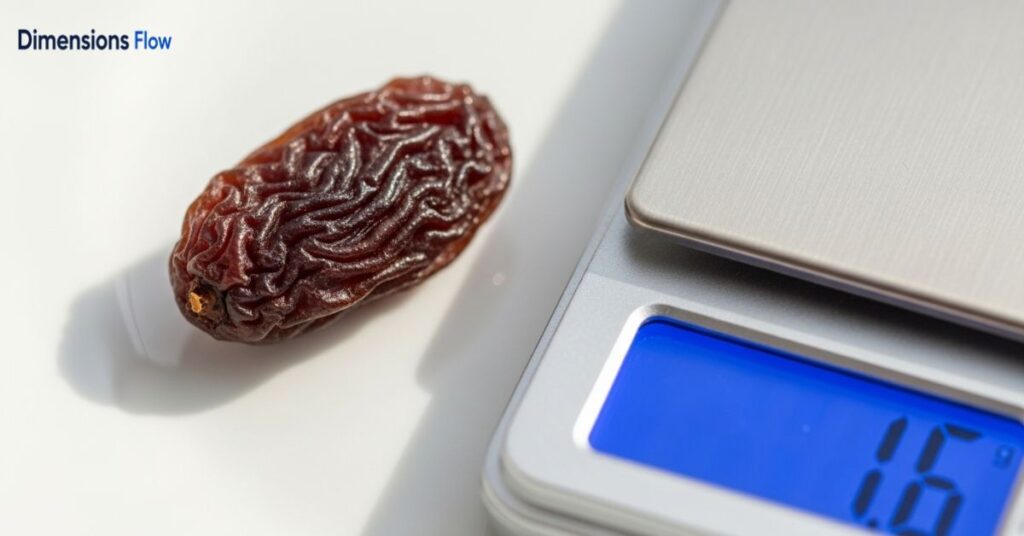
Single Raisin
A single raisin is a natural example of what weighs a gram.
- Dried grape
- Dense and lightweight
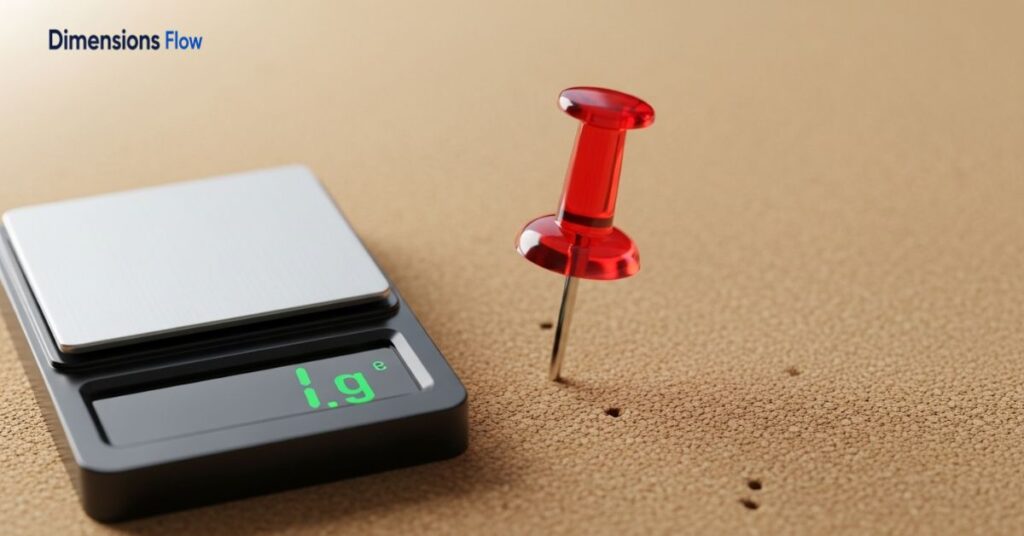
Thumbtack or Push Pin
A standard thumbtack weighs around 1 gram.
- Metal pin with plastic head
- Common office item
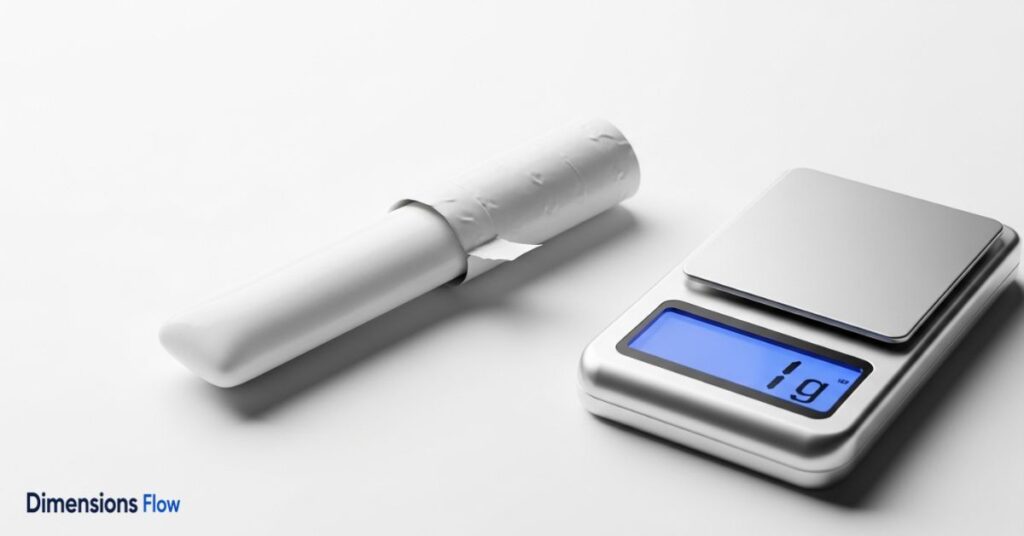
Chewing Gum Stick
A single stick of chewing gum is approximately 1 gram.
- Manufactured for consistent weight
- Portable everyday item
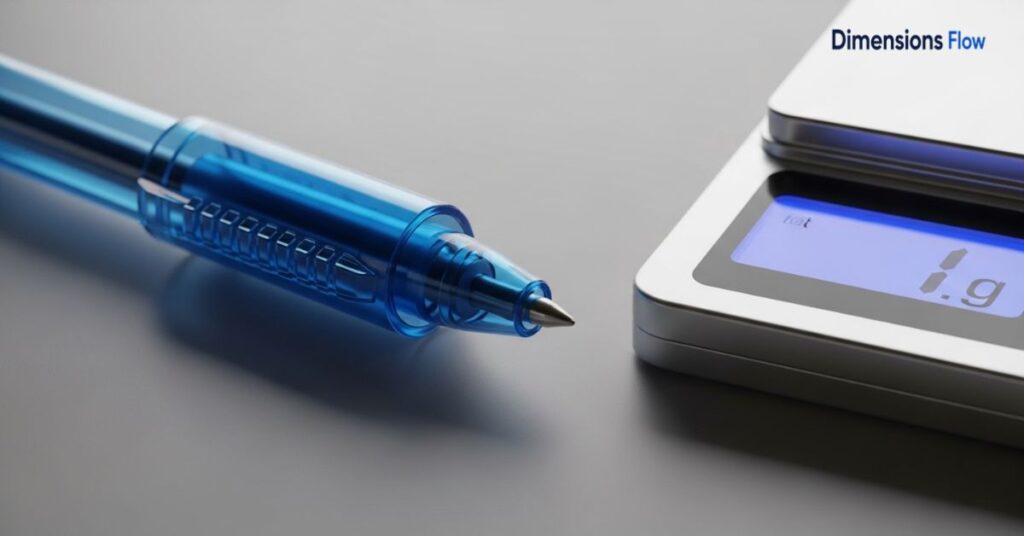
Pen Cap (Ballpoint Pen)
A plastic pen cap weighs roughly 1 gram.
- Lightweight plastic design
- Includes ventilation holes for safety
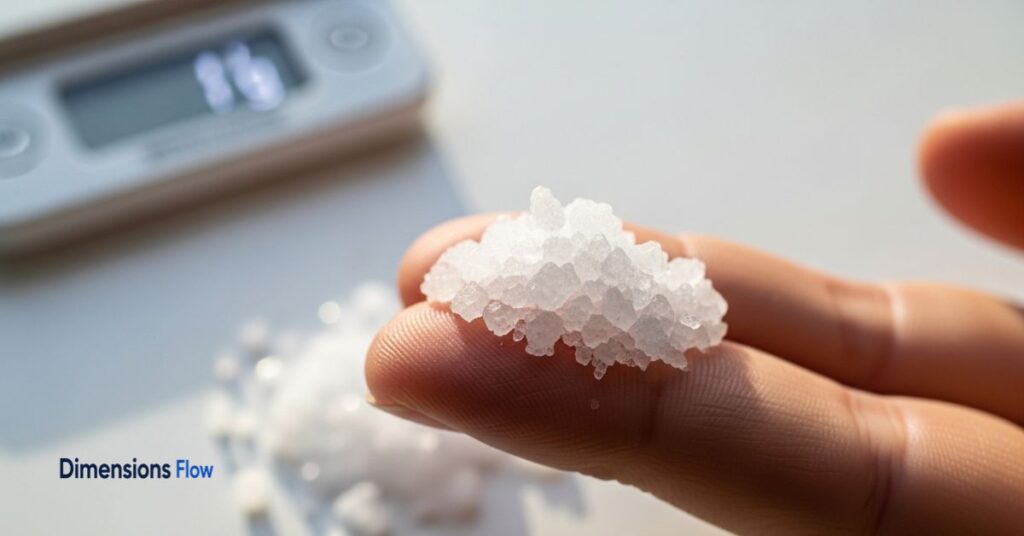
Pinch of Salt
A pinch of salt is about 1 gram.
- Used in cooking measurement
- Defined by finger grip
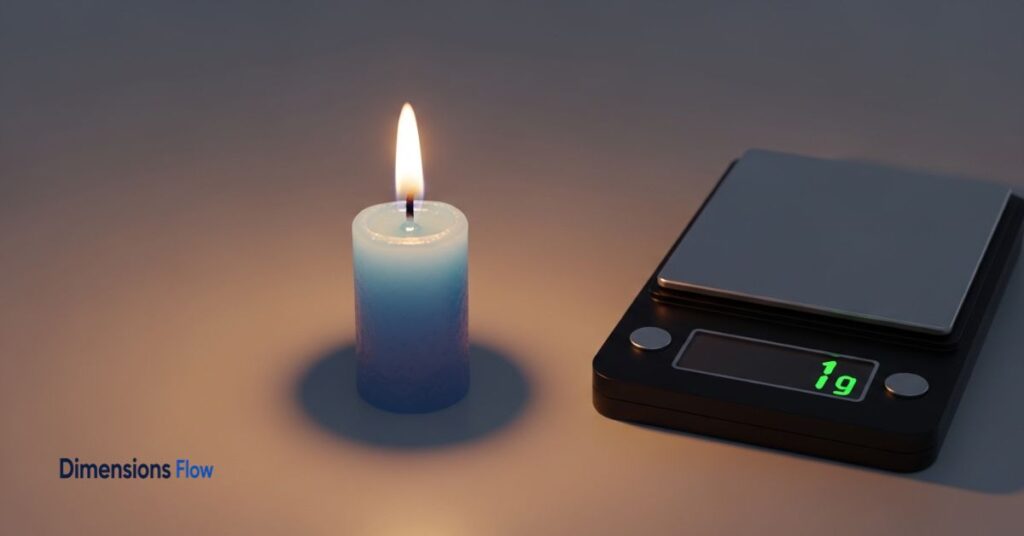
Small Birthday Candle
A thin birthday candle weighs about 1 gram.
- Made from wax
- Used in cake decoration
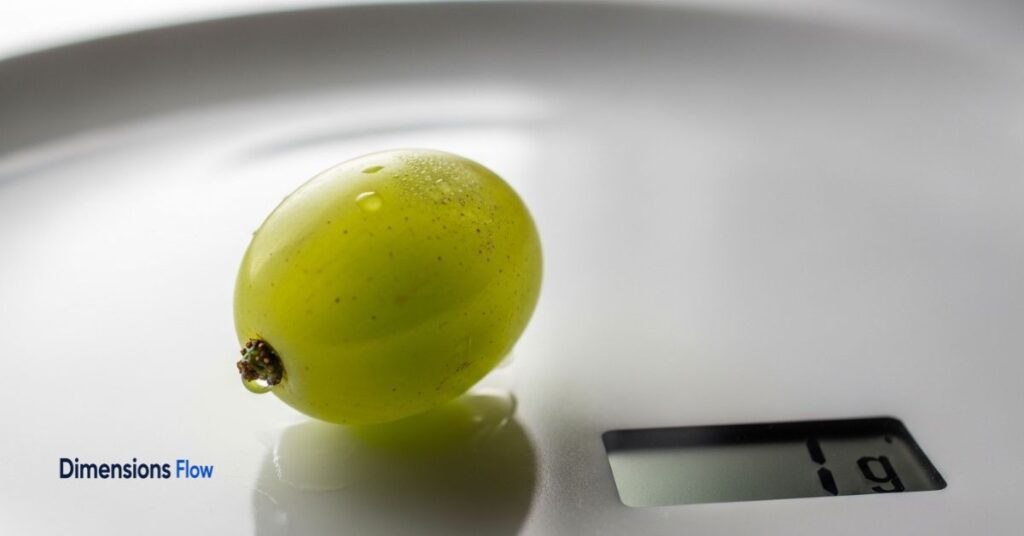
Single Grape
A fresh grape typically weighs around 1 gram.
- Natural variation depending on size
- Common food reference
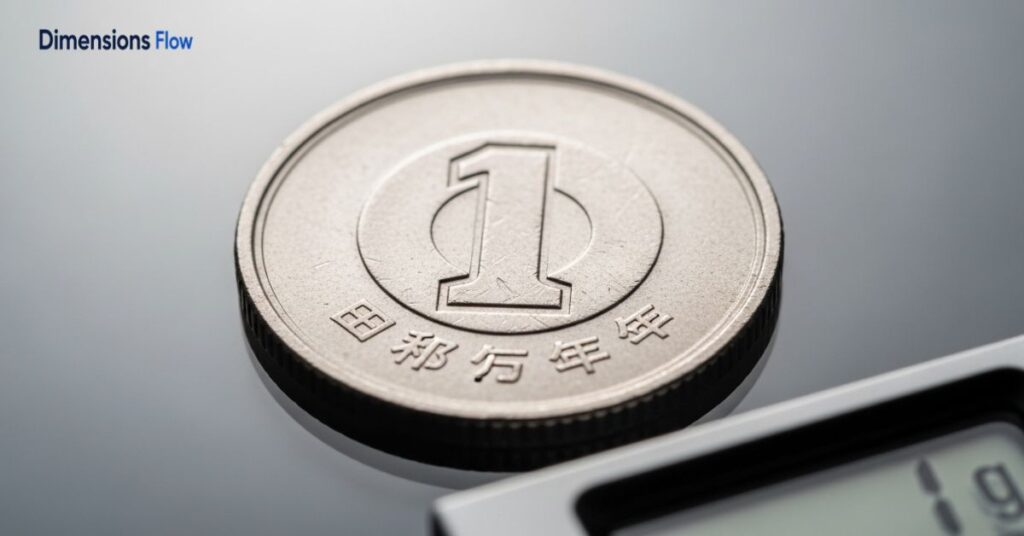
Japanese 1 Yen Coin
A uniquely precise example of 1 gram.
- Exactly engineered weight
- Made from aluminum
- Extremely lightweight coin
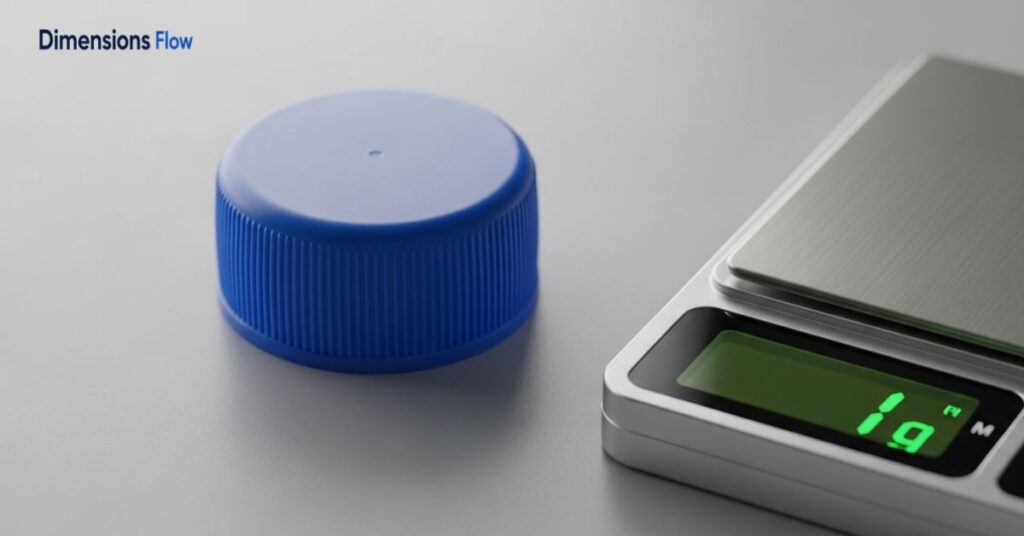
Plastic Bottle Cap
A bottle cap from water or soda bottles is about 1 gram.
- Made from polyethylene plastic
- Mass-produced globally
Why Different Objects Can All Weigh 1 Gram
1 gram is not about size it’s about mass.
That means:
- A metal object
- A food item
- A plastic object
…can all weigh the same but look completely different.
Why?
Because of density differences:
- Metal = compact and heavy per size
- Food = moderate density
- Plastic = lightweight structure
Science Insight: 1 Gram and Water
A useful scientific fact:
💧 1 milliliter of water equals 1 gram
This is widely used in laboratories and cooking for precise measurement.
📊 Quick 1 Gram Conversion Table
| Unit | Equivalent |
|---|---|
| 1 gram | 1000 mg |
| 1 gram | 0.001 kg |
| 1 gram | 0.035 oz |
| 1 gram | 0.002 lb |
| 1 gram | 5 carats |
| 1 ml water | 1 gram |
How to Estimate What Weighs a Gram Without a Scale
Paperclip Method
Hold a paperclip as a reference point for 1 gram.
Currency Method
A paper bill can act as a comparison tool.
Water Method
1 ml of water equals 1 gram and offers scientific accuracy.
Why Knowing What Weighs a Gram Actually Matters
Understanding 1 gram helps in real life:
🧑🍳 Cooking
- Accurate measurement of ingredients
- Better recipe consistency
💊 Medicine
- Precise dosage control
- Safety in medication use
💎 Jewelry
- Gemstone measurement accuracy
- Carat-based valuation
🧪 Science
- Laboratory precision
- Experimental consistency
Common Misconceptions About 1 Gram
Myth 1: All small objects weigh 1 gram
Size does not determine weight.
Myth 2: A teaspoon equals 1 gram
Different substances have different densities.
Myth 3: All paper items weigh the same
Paper thickness and material vary widely.
Why Humans Struggle to Feel 1 Gram
The human hand is not designed for micro-weight detection.
- Sensory nerves detect pressure, not exact mass
- The brain relies on comparison
- Experience improves accuracy over time
That’s why professionals develop trained estimation skills.
🧾 Conclusion
Now you understand what weighs a gram and how common it really is.
From a paperclip on your desk to a dollar bill in your wallet, 1 gram quietly exists in everyday life as a bridge between science and reality.
Understanding it helps you:
- Estimate weight more accurately
- Improve cooking precision
- Understand measurement systems better
- See everyday objects in a new way
👉 A gram may be small, but it plays a big role in how we measure the world.