
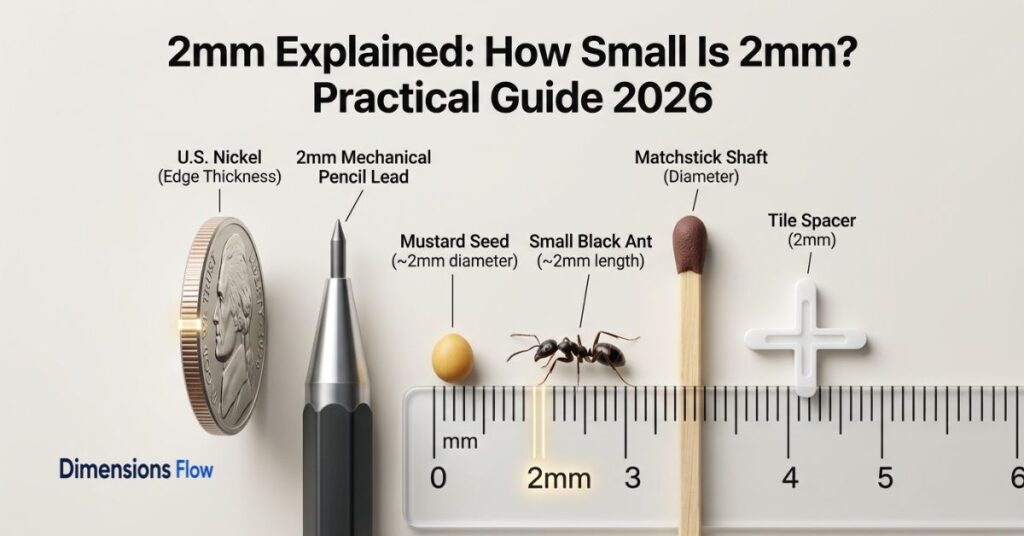

The measurement 2mm seems simple on paper, but in real life, it’s surprisingly hard to visualize. Most people are used to inches or centimeters, so when you hear “2 millimeters”, it barely registers in your mind.
Here’s the quick reality check:
2mm = 0.0787 inches = 0.2 cm
That’s less than one-tenth of an inch small enough to be missed at a glance, but large enough to matter in engineering, design, nature, and everyday objects.
From a U.S. nickel coin edge to a mustard seed or mechanical pencil lead, 2mm appears everywhere around you. Once you understand it, you’ll start noticing how often this tiny measurement shapes the world.
In this guide, we’ll break down 2mm size, comparisons, real-life objects, and measurement techniques so you can visualize it instantly no ruler needed.
How Big Is 2mm? (Exact Measurement & Conversions)
To truly understand 2mm measurement, you need to see how it fits into different systems.
Conversion Table: 2mm in Different Units
| Unit | Equivalent |
|---|---|
| Inches | 0.0787 in |
| Centimeters | 0.2 cm |
| Meters | 0.002 m |
| Micrometers | 2000 µm |
| Feet | 0.00656 ft |
| Millimeters | 2 mm |
A millimeter itself is already tiny (1/1000 of a meter), so 2mm is still extremely small in any measurement system.
📌 In practical terms:
- 1 cm = 10 mm
- So 2mm = 1/5 of a centimeter
This means even a fingernail edge is often larger than 2mm.
What Does 2mm Look Like? (Easy Visualization Guide)
Humans are not naturally good at imagining millimeters, so we rely on comparisons.
Here’s how you can instantly picture 2mm size:
- Thickness of a U.S. nickel coin edge (~1.95mm)
- Width of a mechanical pencil lead (2mm)
- Size of a mustard seed (1–2mm)
- Body width of a small black ant (1.5–2mm)
- Thickness of stacked paper layers (around 20 sheets)
📊 Research confirms people consistently overestimate small sizes like 2mm because our brain lacks a natural reference scale for sub-centimeter objects
6 Most Common Things That Are 2mm in Real Life
Below are real-world objects that help you “feel” what 2mm actually is.
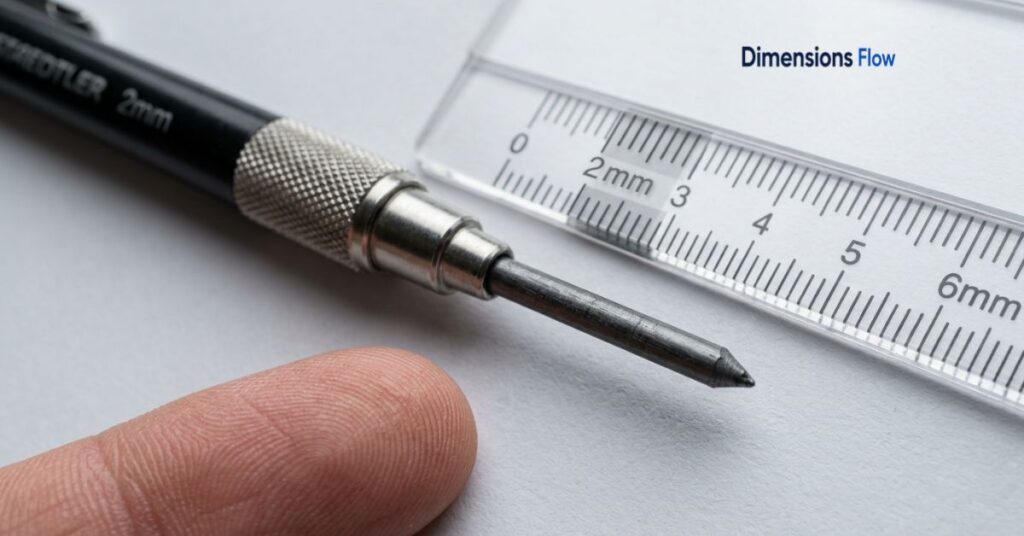
1. Mechanical Pencil Lead (2mm Standard Lead)
One of the most accurate references for 2mm thickness is mechanical pencil lead.
- Used in drafting and sketching
- Standard size: 2mm diameter
- Designed for durability and bold writing
📌 Why it matters:
- Thicker than common 0.5mm or 0.7mm leads
- Less breakable
- Used in architecture and engineering sketches
👉 If you’ve ever used a drafting pencil, you’ve already interacted with 2mm.
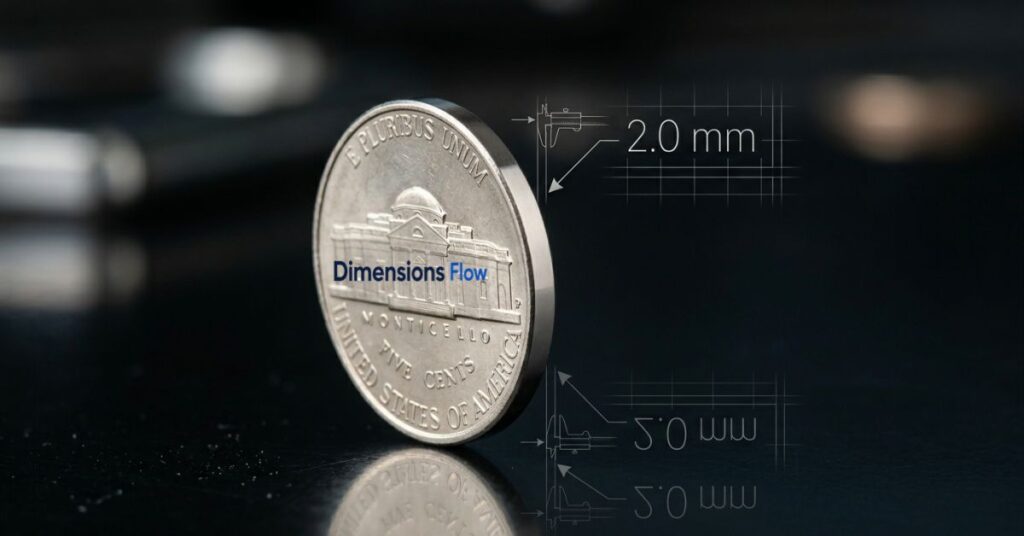
2. U.S. Nickel Coin (Almost Perfect 2mm Match)
A U.S. nickel is one of the closest everyday objects to 2mm.
- Thickness: ~1.95mm
- Composition: copper + nickel alloy
- Easily found in pockets and wallets
📌 Why it’s useful:
- Perfect real-world reference
- No tools needed
- Consistent across all coins
Just look at the edge of a nickel that slim line is nearly exactly 2mm.
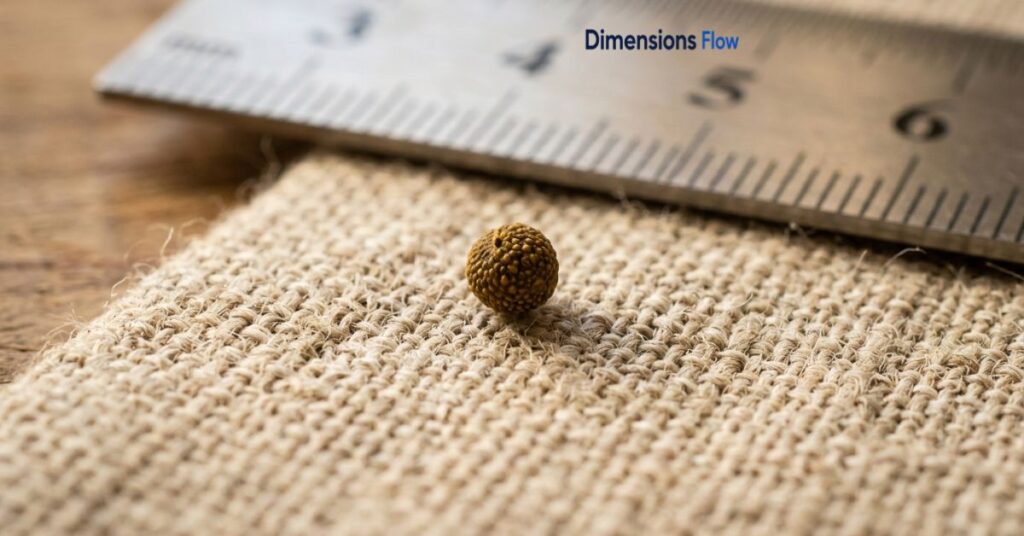
3. Mustard Seed (Nature’s 2mm Reference)
Mustard seeds are one of the most natural examples of 2mm size.
- Diameter: ~1–2mm
- Found in kitchens worldwide
- Used in cooking, oil extraction, and spices
📌 Interesting insight:
Even though tiny, mustard seeds are packed with:
- Antioxidants
- Healthy fats
- Strong flavor compounds
A perfect example of how small size doesn’t mean small impact.
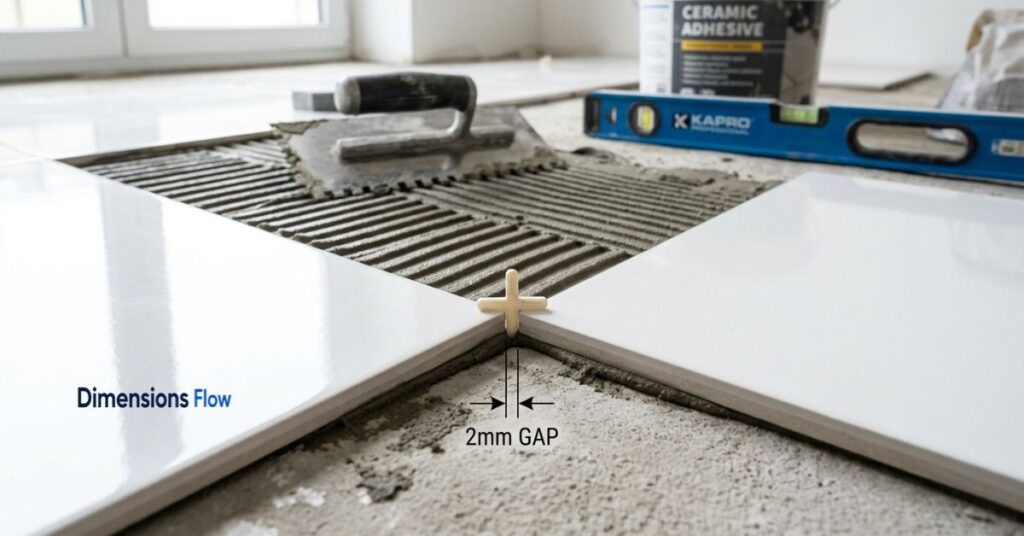
4. Ceramic Tile Spacer (Precision Construction Tool)
In home renovation, 2mm tile spacers are essential.
- Maintains equal gaps between tiles
- Ensures smooth grout lines
- Used in floors, walls, bathrooms
📌 Types:
- X-shaped spacers (grid layouts)
- T-shaped spacers (brick patterns)
Even a 2mm error here can change the entire visual alignment of a floor.
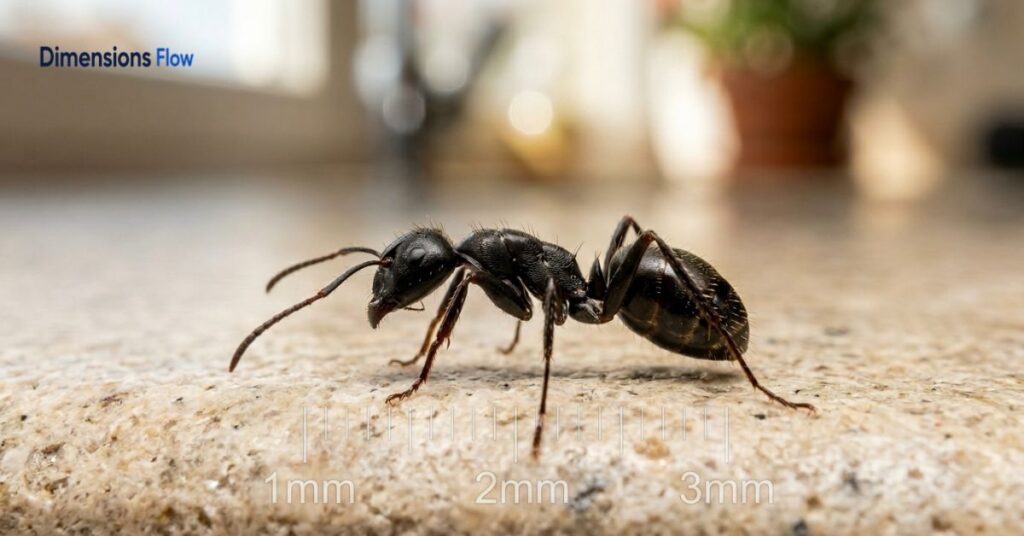
5. Small Black Ant (Living 2mm Measurement)
Many tiny ant species fall within the 1.5–2mm range.
- Common in homes and gardens
- Acts as a natural visual reference
- Easy to observe in daily life
📌 Insight:
Ants are so small that their body length itself becomes a “living ruler” for 2mm.
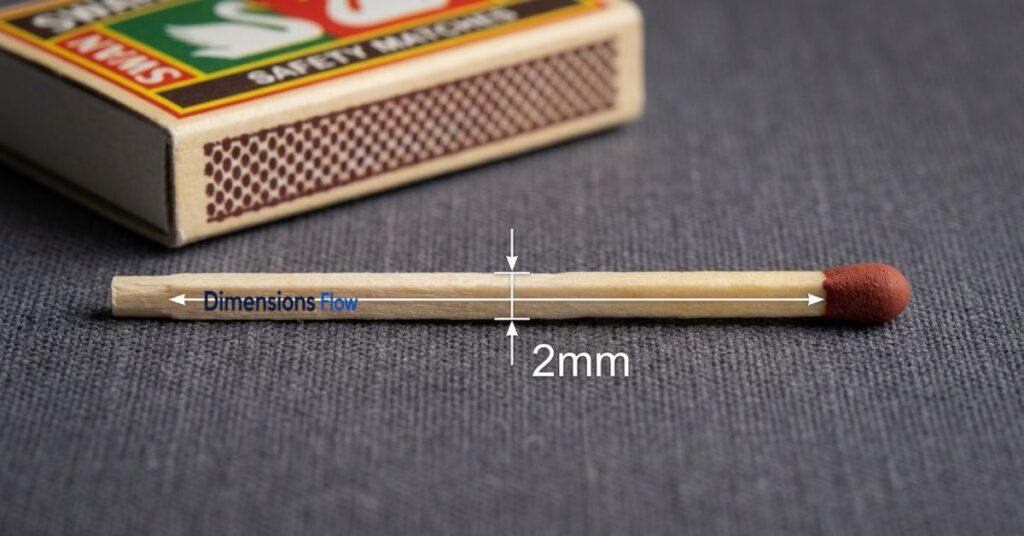
6. Matchstick Shaft (Engineered 2mm Thickness)
A standard matchstick shaft is very close to 2mm.
- Designed for controlled burning
- Optimized for safety and ignition
- Uniform diameter for consistency
📌 Why it matters:
That 2mm thickness ensures:
- Steady flame
- Predictable burn rate
- Safe handling
Where 2mm Is Actually Important (Real-World Applications)
Unlike what people assume, 2mm is not “just small” it’s critical in precision work.
Engineering & Manufacturing
- Micro tolerances in machines
- Electronic component spacing
- Fasteners and screws
Jewelry Design
- Pavé diamond settings
- Small gemstone mounts
- Fine detailing work
Construction & Home Design
- Tile spacing accuracy
- Flooring alignment
- Finishing precision
Art & Design
- Pencil stroke control
- Sketch detailing
- Technical drawing
Nature & Biology
- Seed sizes
- Insect anatomy
- Micro-scale ecosystems
2mm Comparison With Common Objects
| Object | Approx. Size |
|---|---|
| Nickel thickness | ~1.95mm |
| Pencil lead | 2mm |
| Mustard seed | 1–2mm |
| Ant body | 1.5–2mm |
| Credit card | ~0.76mm |
| Pea | 8–10mm |
📌 Insight:
A pea is about 4–5 times larger than 2mm, showing how small 2mm truly is.
How to Measure 2mm Accurately
📏 Using a Metric Ruler
- Each small tick = 1mm
- Count 2 ticks = 2mm
💳 Without Tools
- Nickel edge ≈ 2mm
- Pencil lead diameter ≈ 2mm
🔬 Professional Method
- Digital calipers (accuracy: 0.01mm)
- Used in engineering and jewelry making
Common Mistakes About 2mm
Many people misunderstand this tiny measurement:
- Confusing 2mm with 2cm (10x error)
- Overestimating size visually
- Thinking it’s invisible (it’s not it’s visible but small)
- Assuming all “small objects” are similar in size
📌 Reality:
2mm is visible but only when you focus closely.
Quick Memory Tricks to Visualize
- Nickel edge
- Pencil lead
- Mustard seed
- Tiny ant
- Matchstick shaft
If you remember just one:
👉 “Nickel edge = 2milimeter”
FAQs
Is 2mm small?
Yes, very small. It’s less than 1/10th of an inch.
How big is 2mm visually?
About the width of a pencil lead or nickel edge.
What objects are 2mm?
Pencil leads, mustard seeds, ants, tile spacers, matchsticks.
Is 2mm smaller than 1 cm?
Yes, 5 times smaller (1 cm = 10mm).
How do you measure 2mm on a ruler?
Count 2 small tick marks on a metric ruler.
Final Thoughts
At first glance, 2mm seems insignificant. But once you break it down, it becomes clear that this tiny measurement plays a huge role in:
- Engineering precision
- Everyday tools
- Nature and biology
- Design and craftsmanship
From the nickel in your pocket to the tile in your bathroom, 2mm quietly shapes the world around you.
And now that you understand it, you won’t just see numbers you’ll see scale, precision, and structure in everything.