
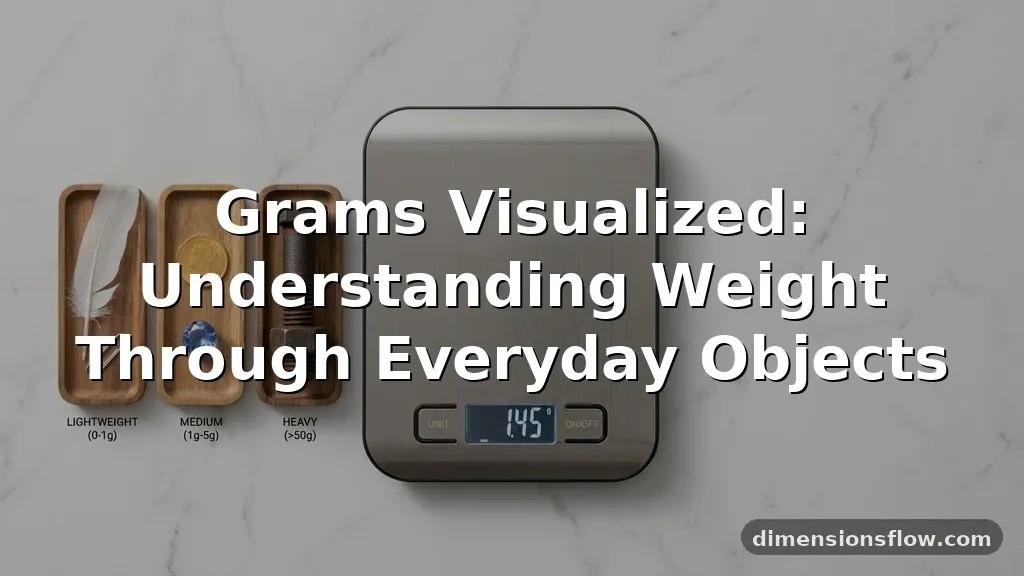

Grams visualized helps bridge the gap between abstract metric measurements and the physical reality of the items we handle every day. While a gram is a standard unit of mass in the scientific community, it remains difficult to conceptualize without a tangible reference point.
By associating these numerical values with common household goods, you can quickly estimate the weight of small objects without needing a digital scale. Whether you are cooking, shipping a package, or simply curious about physics, having a mental database of reference weights turns an intangible number into a practical tool for your daily life.
Common Reference Weights
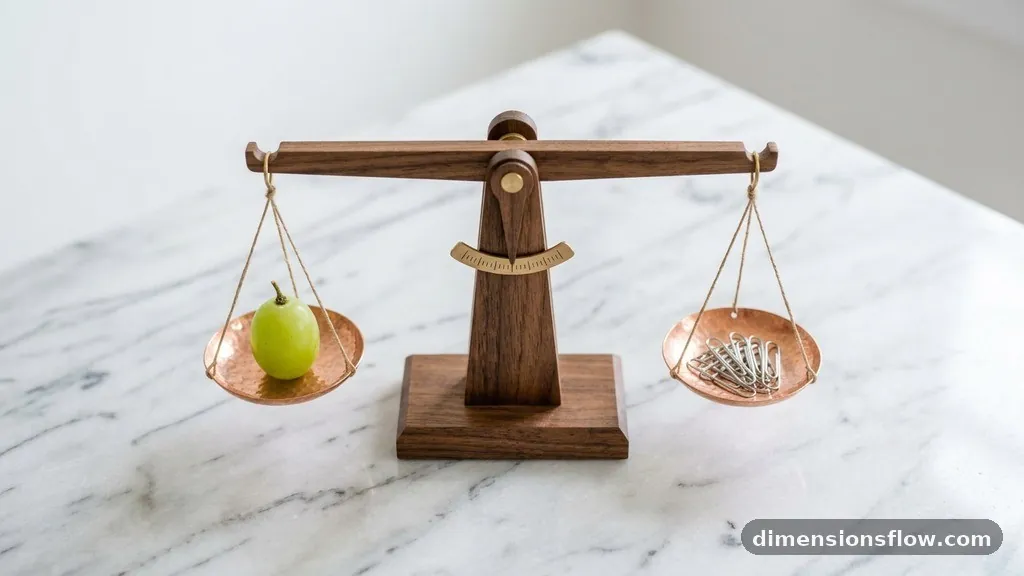
The most effective way to grasp the scale of a gram is to look at small, uniform items found in almost every home. A single paperclip is the industry standard for a 1-gram object. This tiny mass is essentially the baseline for understanding how weight accumulates as you add more items to a surface.
To build a clearer mental model, consider these common benchmarks:
- 1 gram: A standard large paperclip or a single raisin.
- 5 grams: A standard nickel coin.
- 10 grams: Two nickels or a stack of two US quarters.
- 20 grams: A standard AA battery.
- 100 grams: A medium-sized apple or a small smartphone battery.
Comparing Weights Across Categories
When you look at grams visualized through the lens of different categories, it becomes easier to spot patterns in density and volume. A heavy object might be small, while a light object might occupy significant space. The following table provides a breakdown of how specific items compare when placed on a scale.
| Item | Approximate Weight |
|---|---|
| US Penny | 2.5 grams |
| Standard Letter Envelope | 5 grams |
| Large Egg | 50 grams |
| Smartphone | 150–200 grams |
| Can of Soda | 370 grams |
Why Estimation Matters
Developing an intuitive sense of weight prevents errors in high-stakes environments like postage or precision cooking. Postal services often charge by weight brackets, where being just a few grams over can increase your shipping costs significantly. Understanding exactly what 50 grams feels like allows you to pack items efficiently without overshooting your budget.
In the kitchen, visualizing weight is equally important for consistency in baking. Ingredients like flour or sugar vary in density depending on how they are packed into a measuring cup. Using a scale provides the accuracy that volume-based measurements often miss, ensuring your recipes turn out exactly as intended.
Practical Applications

You can practice grams visualized by testing your own items against a kitchen scale. Start by weighing a handful of common objects and guessing their mass before you place them on the tray. Over time, your brain will calibrate to the weight of specific materials, making it easier to identify mass through touch alone.
This skill is particularly useful for people who frequently work with small components, such as hobbyists building drones or jewelry makers. Knowing the weight of your materials helps you balance your designs and maintain structural integrity. By keeping these references in mind, you turn a complex scientific concept into a reliable, everyday instinct.
Final Thoughts
Mastering the art of seeing mass through common objects simplifies how you interact with the physical world. While technical tools like scales remain necessary for precision, having a mental framework for grams visualized gives you a significant advantage in speed and efficiency. You no longer need to guess how heavy a package might be or struggle with imprecise measurements while preparing a meal.
Start by keeping a few reference items like coins or paperclips nearby to calibrate your senses. As you become more comfortable with these units, you will find that estimating weight becomes a natural part of your decision-making process. If you have any specific objects you would like to weigh or categorize, feel free to reach out and share your findings.